Conference Dates
March 11-13, 2027
World Surgery and Anesthesia Congress (WSAC 2027) will be held from March 11–13, 2027, in the vibrant city of Singapore, with a parallel online (virtual) participation option. WSAC 2027 is a premier global platform dedicated to advancing excellence in surgery, anesthesia, perioperative medicine, and critical care. The congress is designed to bring together leading surgeons, anesthesiologists, clinicians, researchers, academicians, and healthcare professionals from across the world to exchange knowledge, share clinical experiences, and explore emerging innovations that are shaping the future of surgical and anesthetic practice.
Theme: Precision, Safety, and Innovation in Surgical Care
Set in Singapore—an international hub of healthcare innovation and multicultural exchange—WSAC 2027 provides an inspiring environment for networking, collaboration, and professional growth. The hybrid format ensures inclusive global participation, allowing delegates to engage either in person or online without geographical barriers. Beyond scientific enrichment, the congress encourages the formation of long-term academic and clinical partnerships while promoting translational research from bench to bedside. WSAC 2027 is committed to empowering healthcare professionals with knowledge, skills, and connections that drive innovation, improve clinical practice, and ultimately transform surgical and anesthetic care worldwide.
Modern surgery and anesthesia have evolved into highly integrated, technology-driven disciplines that prioritize patient safety, precision, and faster recovery. Advances in minimally invasive surgery, robotic-assisted procedures, and image-guided techniques have significantly reduced surgical trauma, operative time, and postoperative complications. At the same time, anesthesia has progressed from basic sedation to a sophisticated science involving general anesthesia, regional anesthesia, and multimodal pain management strategies. These developments enable surgeons and anesthesiologists to work collaboratively, tailoring surgical and anesthetic plans to individual patient profiles. Emphasis on preoperative evaluation, optimization of comorbidities, and risk assessment has further improved surgical outcomes across diverse specialties.
Equally transformative are innovations in intraoperative monitoring, including advanced hemodynamic monitoring, depth-of-anesthesia assessment, and real-time physiological analytics. These tools enhance decision-making during complex procedures and improve outcomes in high-risk populations such as the elderly and critically ill. Postoperatively, the adoption of enhanced recovery after surgery (ERAS) protocols and opioid-sparing analgesia has reduced hospital stays and improved patient satisfaction. This session provides a comprehensive overview of current best practices, emerging technologies, and evidence-based approaches in modern surgery and anesthesia, offering clinicians practical insights into optimizing perioperative care while maintaining the highest standards of safety and efficiency.
Key Highlights
Why This Session Is Important?
A thorough understanding of surgical anatomy and physiology forms the cornerstone of safe and effective surgical practice. Precise anatomical knowledge enables surgeons to navigate complex structures, minimize tissue injury, and prevent complications, while applied physiology helps clinicians anticipate the body’s response to surgical stress. This session emphasizes clinically relevant anatomy aligned with common surgical procedures, focusing on organ systems, vascular supply, and nerve pathways that are critical for operative planning and execution. Integration of anatomical landmarks with functional physiology supports better intraoperative decision-making and improved patient outcomes.
Equally important are the perioperative principles that govern patient care before, during, and after surgery. Comprehensive preoperative assessment allows for identification and optimization of comorbidities, evaluation of surgical risk, and formulation of individualized perioperative plans. During surgery, understanding physiological changes related to anesthesia, blood loss, fluid shifts, and stress responses is essential for maintaining hemodynamic stability and organ perfusion. Postoperatively, vigilant monitoring and early recognition of complications such as infection, bleeding, or organ dysfunction are vital for reducing morbidity. This session provides a structured overview of how anatomy, physiology, and perioperative care intersect, equipping healthcare professionals with the foundational knowledge required to deliver safe, efficient, and patient-centered surgical care across diverse clinical settings.
Key Highlights
Why This Session Is Important?
Effective preoperative assessment is fundamental to safe surgical care, enabling clinicians to identify risk factors, optimize patient health, and determine suitability for surgery. A structured evaluation begins with a comprehensive medical history, physical examination, and assessment of functional capacity, focusing on cardiac, respiratory, metabolic, and renal function. Appropriate use of laboratory investigations and imaging supports accurate risk stratification while avoiding unnecessary testing. This session highlights evidence-based approaches to evaluating surgical risk and aligning perioperative plans with individual patient profiles, procedure complexity, and anticipated physiological stress.
Equally critical is preoperative optimization, which aims to correct modifiable risk factors prior to surgery. Optimization strategies include improving glycemic control in diabetes, managing hypertension and cardiac disease, treating anemia and nutritional deficiencies, and adjusting medications that influence bleeding, coagulation, or anesthesia. Smoking cessation, infection control, and prehabilitation programs play an increasing role in enhancing postoperative recovery and reducing complications. Careful patient selection integrates clinical findings with patient preferences, surgical urgency, and expected benefits versus risks. Shared decision-making and clear communication ensure that patients are fully informed and actively involved in their care. This session provides practical guidance on balancing safety, outcomes, and resource utilization, equipping healthcare professionals with the tools needed to deliver personalized, high-quality perioperative care across a wide range of surgical settings.
Key Highlights
Asepsis and infection control are fundamental pillars of modern surgical practice, directly influencing patient safety and clinical outcomes. The session explores core principles of aseptic technique, emphasizing meticulous surgical hand preparation, appropriate use of personal protective equipment, and maintenance of a sterile operating room environment. Understanding the chain of infection and routes of microbial transmission is essential for preventing contamination during invasive procedures. Evidence-based practices in instrument sterilization, environmental cleaning, and safe handling of surgical materials form the foundation for reducing perioperative infection risks.
In addition to technical measures, comprehensive infection control strategies integrate patient preparation, antimicrobial stewardship, and team-based safety practices. Proper timing and selection of antimicrobial prophylaxis significantly reduce the incidence of surgical site infections, while standardized patient safety checklists help minimize errors, improve communication, and enhance teamwork in the operating theatre. Surveillance of healthcare-associated infections, prompt incident reporting, and continuous quality improvement initiatives are vital for sustaining high safety standards. This session highlights the role of multidisciplinary collaboration in fostering a culture of safety, accountability, and vigilance. By combining strict aseptic practices with robust infection prevention protocols, healthcare professionals can protect patients, reduce morbidity, and ensure safe, reliable surgical care across all clinical settings.
Key Highlights
Perioperative monitoring is central to ensuring patient safety and minimizing complications throughout the surgical journey. This session provides a comprehensive overview of standard and advanced monitoring modalities used before, during, and after surgery. Continuous assessment of cardiovascular, respiratory, and neurological function allows clinicians to detect physiological disturbances early and intervene promptly. Core monitoring tools such as electrocardiography, blood pressure measurement, pulse oximetry, capnography, and temperature monitoring are complemented by advanced techniques including invasive hemodynamic monitoring and depth-of-anesthesia assessment. Together, these technologies support real-time clinical decision-making and enhance procedural safety.
Beyond technology, effective risk management relies on structured systems, teamwork, and a culture of safety. Standardized patient safety protocols, early warning scores, and perioperative checklists reduce variability in care and prevent avoidable errors. Incident reporting and root-cause analysis enable organizations to learn from adverse events and near misses, driving continuous quality improvement. This session also emphasizes postoperative surveillance, where early recognition of complications such as respiratory compromise, hemodynamic instability, or sepsis is critical to improving outcomes. By integrating vigilant monitoring with proactive risk management strategies, healthcare professionals can significantly reduce perioperative morbidity and mortality. This session equips surgeons, anesthesiologists, nurses, and perioperative teams with practical knowledge to deliver safe, reliable, and high-quality care across diverse surgical environments.
Key Highlights
Why This Session Is Important?
Enhanced Recovery After Surgery (ERAS) protocols represent an evidence-based, multidisciplinary approach designed to reduce surgical stress, accelerate recovery, and improve patient outcomes. By integrating best practices across the preoperative, intraoperative, and postoperative phases, ERAS focuses on maintaining physiological function and promoting early return to normal activity. Key components include comprehensive preoperative education, nutritional optimization, avoidance of prolonged fasting, and individualized anesthetic plans that emphasize multimodal analgesia and minimal opioid use. Together, these strategies reduce variability in care and enhance patient engagement throughout the surgical journey.
Intraoperatively, ERAS promotes minimally invasive surgical techniques, goal-directed fluid therapy, and normothermia to limit inflammatory and metabolic stress responses. Postoperatively, early oral feeding, early mobilization, and proactive management of pain and nausea are central to faster functional recovery and shorter hospital stays. Consistent application of ERAS protocols has been shown to reduce postoperative complications, hospital length of stay, readmission rates, and overall healthcare costs while improving patient satisfaction. This session provides practical insights into implementing ERAS pathways across surgical specialties, addressing challenges such as team coordination, protocol compliance, and outcome auditing. Participants will gain a clear understanding of how standardized, patient-centered ERAS care transforms perioperative management and supports safer, more efficient surgical practice.
Key Highlights
Open, laparoscopic, and endoscopic surgery represent the core operative approaches in contemporary surgical practice, each with distinct indications, advantages, and limitations. Open surgery remains essential for complex cases requiring direct visualization, tactile feedback, and wide exposure, particularly in advanced malignancies, trauma, and emergency settings. Mastery of open techniques continues to be fundamental for surgical safety and for situations where minimally invasive methods are not feasible or require conversion. Understanding anatomical exposure, tissue handling, and hemostasis is critical for achieving optimal outcomes.
In contrast, laparoscopic and endoscopic surgery have transformed surgical care through minimally invasive approaches that reduce surgical trauma, postoperative pain, and recovery time. Laparoscopic surgery utilizes small incisions, camera-guided visualization, and specialized instruments to perform a wide range of abdominal and pelvic procedures with improved cosmetic and functional outcomes. Endoscopic surgery, performed through natural orifices or minimal access points, enables both diagnostic evaluation and therapeutic intervention with minimal disruption to normal anatomy. Appropriate patient selection, procedure-specific planning, and awareness of physiological effects such as pneumoperitoneum are essential for safe practice. This session provides a balanced overview of these surgical modalities, comparing outcomes, complications, and cost-effectiveness while emphasizing training, simulation, and decision-making skills. Participants will gain insight into selecting the most appropriate surgical approach based on patient factors, disease pathology, and available expertise, ensuring safe, effective, and patient-centered surgical care.
Key Highlights
Minimally Invasive Surgery (MIS) has revolutionized modern surgical practice by enabling complex procedures to be performed through small incisions with minimal disruption to normal anatomy. Techniques such as laparoscopic and robotic-assisted surgery offer enhanced visualization, improved precision, and reduced surgical trauma compared with traditional open approaches. These advances translate into less postoperative pain, lower infection rates, reduced blood loss, and faster recovery. MIS is now widely applied across multiple specialties, including general surgery, gynecology, urology, and orthopedics, making it a cornerstone of contemporary surgical care.
Successful implementation of MIS requires careful patient selection, thorough preoperative planning, and a clear understanding of procedure-specific risks. Surgeons must also account for physiological changes associated with pneumoperitoneum, such as altered cardiopulmonary dynamics. While MIS offers clear benefits, it is not without challenges, including longer operative times during the learning phase and the potential need for conversion to open surgery in complex cases. This session examines comparative outcomes, complication profiles, and long-term results of MIS versus open surgery, supported by current evidence. Emphasis is placed on surgeon training, simulation-based learning, and team coordination to ensure safety and consistency. By understanding both the technical aspects and outcome data, participants will gain practical insights into maximizing the benefits of MIS while maintaining high standards of patient safety and surgical excellence.
Key Highlights
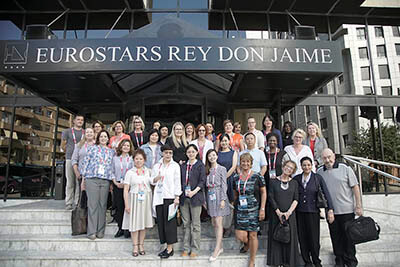
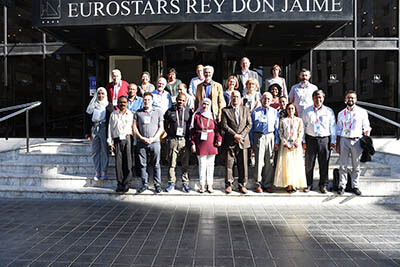
Iris Scientific Group takes great pride in announcing the successful outcome of the World Health Care and Nursing Conference (WHCN 2019) which was held in Valencia, Spain from September 23-25, 2019.
For WHCN 2019 Final Program: Click here
For WHCN 2019 Proceedings: Click Here
For WHCN 2019 Gallery: Click Here
In 2019 we were honored with the presence of renowned session leaders and keynote speakers worldwide. We want to thank the scientific committee for their dedicated participation, intellectual expertise, and their high-quality presentations.
Organizing Committee of WHCN 2019:
The Organizing Committee would like to thank the moderators Angela O'Connor, King Edward Memorial Hospital, Australia, and Carrinna A. Hansen, University of Copenhagen, Denmark for their contribution which ensued in the smooth functioning of the conference.
Iris Scientific Group is prerogative to thank the Organizing Committee Members, Keynote speakers; Chairs on engross the plenary sessions, workshops, and special sessions in an expanded manner to make this conference a privileged.
Nursing Conference 2019 Keynote Speakers:
Nursing Conference Speakers:
Nursing Conference 2019 Workshops:
Cynthia Horton, Cecil College, USA
Merita Kaunisto, Kuopio University Hospital, Finland
Hanna-Mari Nevala, Savonia University of Applied Sciences, Finland
Tiina Arpola, Savonia University of Applied Sciences, Finland
Nursing Conference 2019 Poster Presenters:
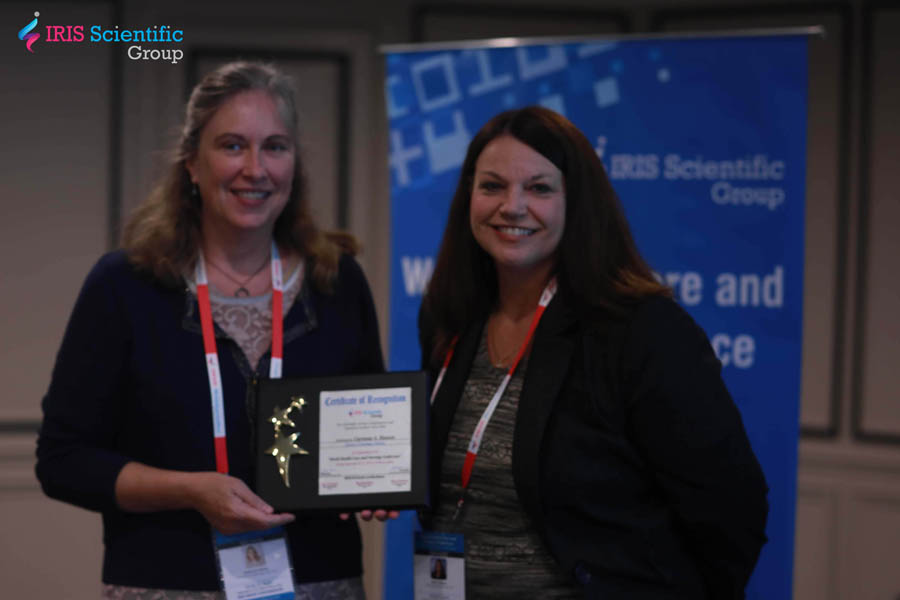
We congratulate the Best poster award winner Chantira Chiaranai, Suranaree University of Technology, Thailand. We would also like to thank Cynthia Horton, Cecil College, USA who supported us by evaluating the posters.
We thank all the participants for their magnificent contribution towards the event which facilitated us for the successful accomplishment of this event.
We greatly hope to see you again, with added vigor and with your other colleagues in "3rd International Nursing Networking Conference (INNC-2025)" during April 23-25, 2025, at Las Vegas, USA, and in Virtual format.
Iris Scientific Group takes great pride in announcing the successful outcome of the World Catalysis and Chemical Engineering Network Congress (WCCN 2025) which was held in Virtual Mode from April 23-25, 2025.
For WCCN 2025 Final Program: Click Here
In 2025 we were honored with the presence of renowned session leaders and keynote speakers worldwide. We want to thank the scientific committee for their dedicated participation, intellectual expertise, and their high-quality presentations.
Organizing Committee of WCCN 2025:
The Organizing Committee would like to thank the moderators Maria Jose Lavorante, Institution of Scientific and Technological Research for Defense, Argentina and Rahul Hajare, Sandip University, India for their contribution which ensued in the smooth functioning of the conference.
Iris Scientific Group is prerogative to thank the Organizing Committee Members, Keynote speakers; Chairs on engross the plenary sessions, workshops, and special sessions in an expanded manner to make this conference a privileged.
WCCN 2025 Keynote Speakers:
WCCN 2025 Plenary Speakers:
WCCN 2025 Speakers:
We thank all the participants for their magnificent contribution towards the event which facilitated us for the successful accomplishment of this event.
We greatly hope to see you again, with added vigor and with your other colleagues in “2nd World Catalysis and Chemical Engineering Network Congress (WCCN 2026)” during April 22-24, 2026. WCCN 2026 will be a hybrid event, offering both in-person and virtual participation options, allowing attendees to engage from anywhere in the world.
Iris Scientific Group takes great pride in announcing the successful outcome of the 3rd International Nursing Networking Conference (INNC 2025) which was held in Virtual Mode from April 23-25, 2025.
For INNC 2025 Final Program: Click Here
In 2025 we were honored with the presence of renowned session leaders and keynote speakers worldwide. We want to thank the scientific committee for their dedicated participation, intellectual expertise, and their high-quality presentations.
Organizing Committee of INNC 2025:
The Organizing Committee would like to thank the moderators Sofica Bistriceanu, Academic Medical Unit - CMI, Romania, and Anum Fatima, Chiang Mai University, Thailand for their contribution which ensued in the smooth functioning of the conference.
Iris Scientific Group is prerogative to thank the Organizing Committee Members, Keynote speakers; Chairs on engross the plenary sessions, workshops, and special sessions in an expanded manner to make this conference a privileged.
INNC 2025 Keynote Speakers:
INNC 2025 Speakers:
INNC 2025 Poster Presenters:
We thank all the participants for their magnificent contribution towards the event which facilitated us for the successful accomplishment of this event.
We greatly hope to see you again, with added vigor and with your other colleagues in “4th International Nursing Networking Conference (INNC 2026)” during April 13-15, 2026. INNC 2026 will be a hybrid event, offering both in-person and virtual participation options, allowing attendees to engage from anywhere in the world.
Iris Scientific Group takes great pride in announcing the successful outcome of the International Cancer Conference (ICC 2025) which was held in Virtual Mode from November 27-29, 2025.
For ICC 2025 Final Program: Click Here
In 2025 we were honored with the presence of renowned session leaders and keynote speakers worldwide. We want to thank the scientific committee for their dedicated participation, intellectual expertise, and their high-quality presentations.
Organizing Committee of ICC 2025:
The Organizing Committee would like to thank the moderators Don Mathew, Pacific Medical College & Hospital, India for his contribution which ensued in the smooth functioning of the conference.
Iris Scientific Group is prerogative to thank the Organizing Committee Members, Keynote speakers; Chairs on engross the plenary sessions, workshops, and special sessions in an expanded manner to make this conference a privileged.
ICC 2025 Keynote Speakers:
ICC 2025 Speakers:
We thank all the participants for their magnificent contribution towards the event which facilitated us for the successful accomplishment of this event.
We greatly hope to see you again, with added vigor and with your other colleagues in “2nd Edition of International Cancer Conference (ICC 2026)” during November 09-11, 2026. ICC 2026 will be a hybrid event, offering both in-person and virtual participation options, allowing attendees to engage from anywhere in the world.
Iris Scientific Group takes great pride in announcing the successful outcome of the Global Conference on Material Science and Nanotechnology (GCMN 2025) which was held in Virtual Mode from April 28-30, 2025.
For GCMN 2025 Final Program: Click Here
In 2025 we were honored with the presence of renowned session leaders and keynote speakers worldwide. We want to thank the scientific committee for their dedicated participation, intellectual expertise, and their high-quality presentations.
Organizing Committee of GCMN 2025:
The Organizing Committee would like to thank the moderators Santoshi Misra, St. Ann's College for women, India for her contribution which ensued in the smooth functioning of the conference.
Iris Scientific Group is prerogative to thank the Organizing Committee Members, Keynote speakers; Chairs on engross the plenary sessions, workshops, and special sessions in an expanded manner to make this conference a privileged.
GCMN 2025 Keynote Speakers:
GCMN 2025 Plenary Speakers:
GCMN 2025 Speakers:
GCMN 2025 Poster Presenters:
We thank all the participants for their magnificent contribution towards the event which facilitated us for the successful accomplishment of this event.
We greatly hope to see you again, with added vigor and with your other colleagues in “2nd Global Conference on Material Science and Nanotechnology (GCMN 2026)” during April 13-15, 2026.
GCMN 2026 will be a hybrid event, offering both in-person and virtual participation options, allowing attendees to engage from anywhere in the world.







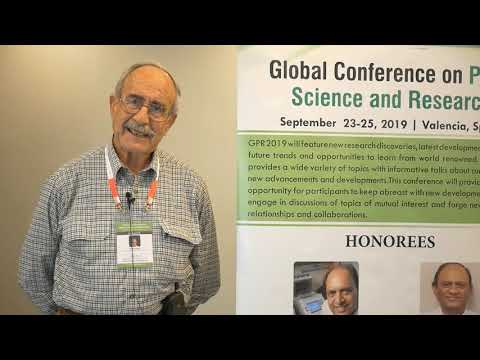
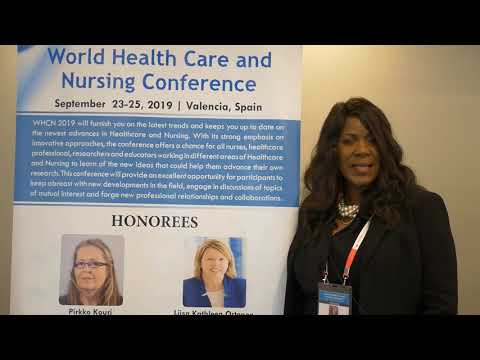
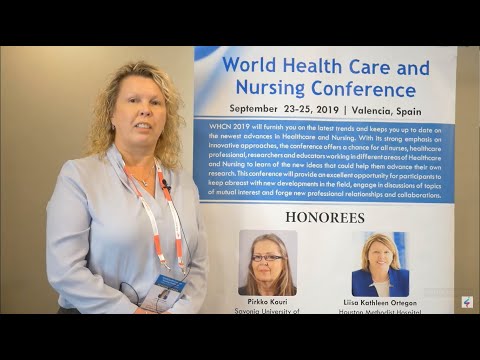
Thank YOU! For a wonderful experience. I met so many amazing people from all over the world and many of us bonded going forward. All the presentations were full of new and exciting things to hear and the hotel was just lovely. I enjoyed every minute.
 Penny Daugherty
Northside Hospital Cancer Institute, USA
Penny Daugherty
Northside Hospital Cancer Institute, USA
I met some extraordinary nurses from all over and was so impressed with their work
 Elaine Clear
St Vincent's University Hospital, Ireland
Elaine Clear
St Vincent's University Hospital, Ireland
Such a distinguished conference and the entire magnificent organization
 Elena Baixauli Gallego
University of Valencia, Spain
Elena Baixauli Gallego
University of Valencia, Spain
Overall, the Conference was a success. Interesting topics and excellent speakers
 Elvessa Narvasa
Canadian Council of Cardiovascular Nurses, Canada
Elvessa Narvasa
Canadian Council of Cardiovascular Nurses, Canada
Thank you very much for a nice and interesting conference in Valencia, I really enjoyed it!
 Carrinna A. Hansen
University of Copenhagen, Denmark
Carrinna A. Hansen
University of Copenhagen, Denmark
The conference added value to me on medical robots as I would like to apply them to Zambia.
 Margaret C. Maimbolwa
University of Zambia, Zambia
Margaret C. Maimbolwa
University of Zambia, Zambia
An amazing scientifically enriching continued professional development meaningful experience with a brilliant platform for dynamic collaborations with interactive discussions and expert opinion-insights offering fascinating translational/public health avenues for evidence-based novel immunotherapy regimens and eventual design of predictive biomarkers for cost-effective disease management of inflammatory diseases with emphasis on evidence-based health management viz. gynecologic disorders/diseases in women of diverse genetic landscapes and lifestyles.
 Saumya Pandey
Indira IVF Hospital, India
Saumya Pandey
Indira IVF Hospital, India
The INNC platform provides information from various fields in healthcare for nurses, researchers, educators, administrators, policymakers, and students to improve their knowledge and experiences. In this new digital era, exchanging information in a real and virtual community promises to be a more efficient and attractive way to enrich our lives, foster meaningful relationships, and build a comprehensive and informative database for a better inner world and existence. Participation in these events gratifies people with credentials, recognizing their involvement in learning and contribution to science advancement.
 Sofica Bistriceanu
Academic Medical Unit - CMI, Romania
Sofica Bistriceanu
Academic Medical Unit - CMI, Romania
Dear colleagues, thank you for the honor and opportunity to participate in the conference! As always, the geography of the participants, the diversity of topics, and the breadth of interests are pleasing. Various aspects related to nursing, teaching methods, and preventive medicine were important. Such a broad exchange of opinions serves mutual enrichment, deepening mutual understanding, and international cooperation. I wish you further success and prosperity!
 Petrova Nataliya
Saint Petersburg State I. P. Pavlov Medical University, Russian Federation
Petrova Nataliya
Saint Petersburg State I. P. Pavlov Medical University, Russian Federation
Thank you for allowing me to participate in the conference. It was indeed an honor to share information with colleagues from around the world in a virtual setting. By using this technology platform, we are able to become more engaged and immersed in clinical research which truly can make an impact on future clinical practice. I am looking forward to the next INCC conference where knowledge is exchanged and shared.
 Daryle Wane
Pasco-Hernando State College, United States
Daryle Wane
Pasco-Hernando State College, United States
It was my first participation on an international conference. It was a very valuable and exciting experience for me. The special thing was to understand the different participants because of their mother tongue. My greatest fear was not to be able to understand the others, an other doubt was the insufficiency of my english. so, my advice for every new participant is not to be too nervous, because this event is great and connects us! It would be great to stay in touch.
Wish you all the best and hope to hear from you!!
 Schaffer Daniela
Klagenfurt Hospital, Austria
Schaffer Daniela
Klagenfurt Hospital, Austria
International Nursing Networking Conference (INNC) 2025. Attending INNC 2025 was an incredible experience. I connected with passionate professionals from around the world, gained valuable insights, and left feeling truly inspired. The sessions were impactful, the networking was genuine, and it reminded me why I chose nursing in the first place. I'm grateful for the opportunity and highly recommend it to anyone in the field.
 Lilian Sitsofe Ziga
Nursing and midwifery training college Odumase krobo, Ghana
Lilian Sitsofe Ziga
Nursing and midwifery training college Odumase krobo, Ghana
I had the honor of participating with you in your major scientific conference. I hope you will share the conference documents with me. Thank you for the opportunity. I am currently developing a detailed protocol on the role and policies of nursing during disasters and catastrophes, including the role of nursing in nuclear disasters. I hope to have future scientific meetings to share and develop science.
 Yousef Ahmed Al shaabi
Sanaa University, Yemen
Yousef Ahmed Al shaabi
Sanaa University, Yemen
Great greetings, Thanks a lot for your great efforts & unlimited care. It was a great & valuable conference. All presentations were fruitful. Looking for more future collaboration.
 Eman Salman Taie
Helwan University, Egypt
Eman Salman Taie
Helwan University, Egypt
I sincerely appreciate the privilege to be part of the participants at GCMN 2025. The conference was indeed an eye opener to the advancements in Material Science in various continents of the earth. The conference was really a success. Special thanks to the organizers of the academic conference for their hard work and support given to all participants before, during and after the scheduled conference activities.
 Olaniyi Awe
Obafemi Awolowo University, Nigeria
Olaniyi Awe
Obafemi Awolowo University, Nigeria

Copyright © 2021 IRIS Scientific Group | All Rights Reserved Terms and Conditions | Privacy Policy